Visualization of Kirigamis with Virtual Reality (VR) in A-frame
author: Paulo Henrique Siqueira - Universidade Federal do Paraná
contact: paulohscwb@gmail.com
versão em português
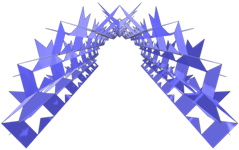 Polygonal and floral kirigamis
Kirigami is a traditional Japanese art form that means “paper cutting” (kiru - to cut, kami - paper). It is a variation of origami that combines the technique of folding paper with the art of cutting it to create three-dimensional figures and interesting shadow effects.
Origami uses only folds, while kirigami introduces cuts to add volume and complexity to the shapes. It can be used in decorations, cards, models, and other objects.
This work show the art of kirigami in a slightly different way: the sheets are modeled in files for viewing in Virtual Reality (VR).
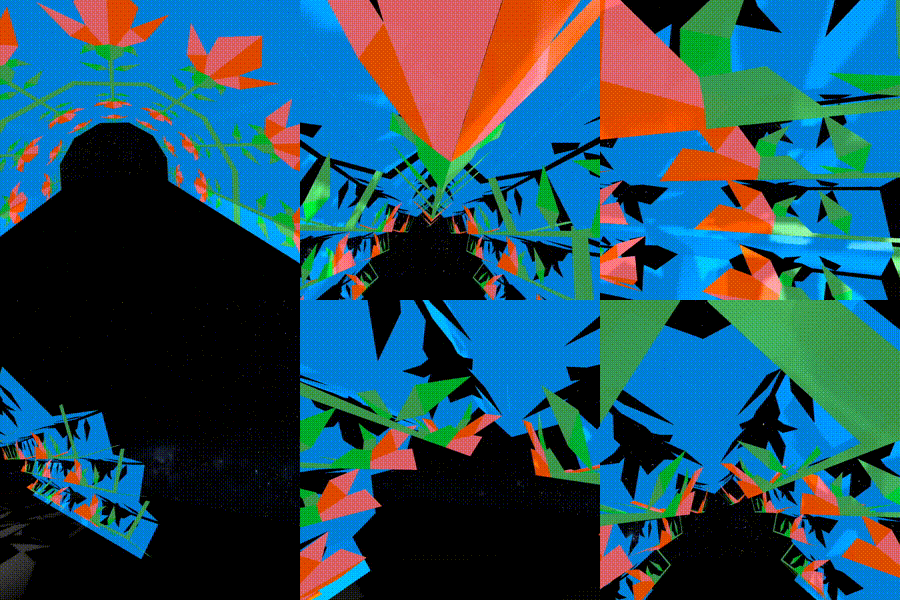
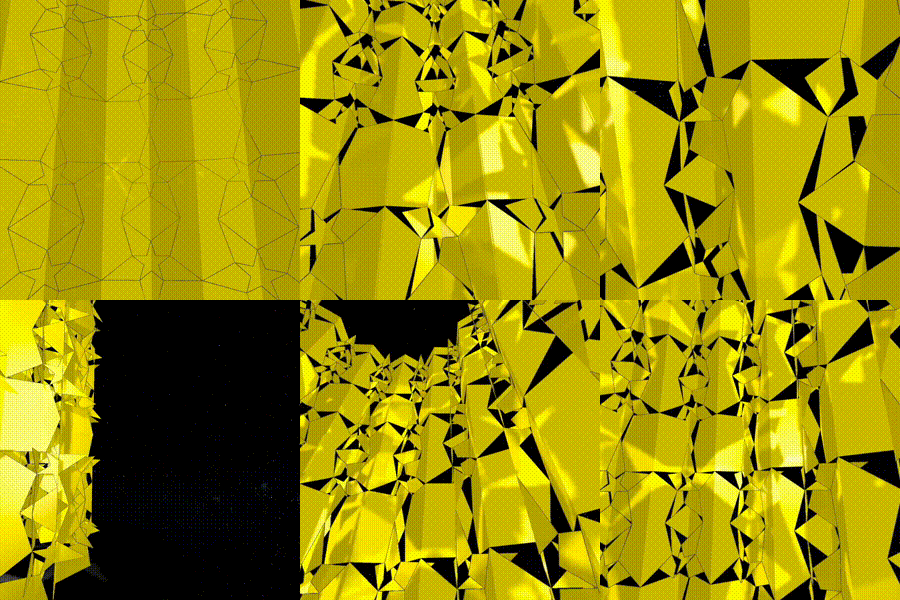
3D models
1. Polygonal model 1: table

The polygonal model was built with repetitions simulating a kirigami table, with shadow effects.
2. Polygonal model 1: cylinder
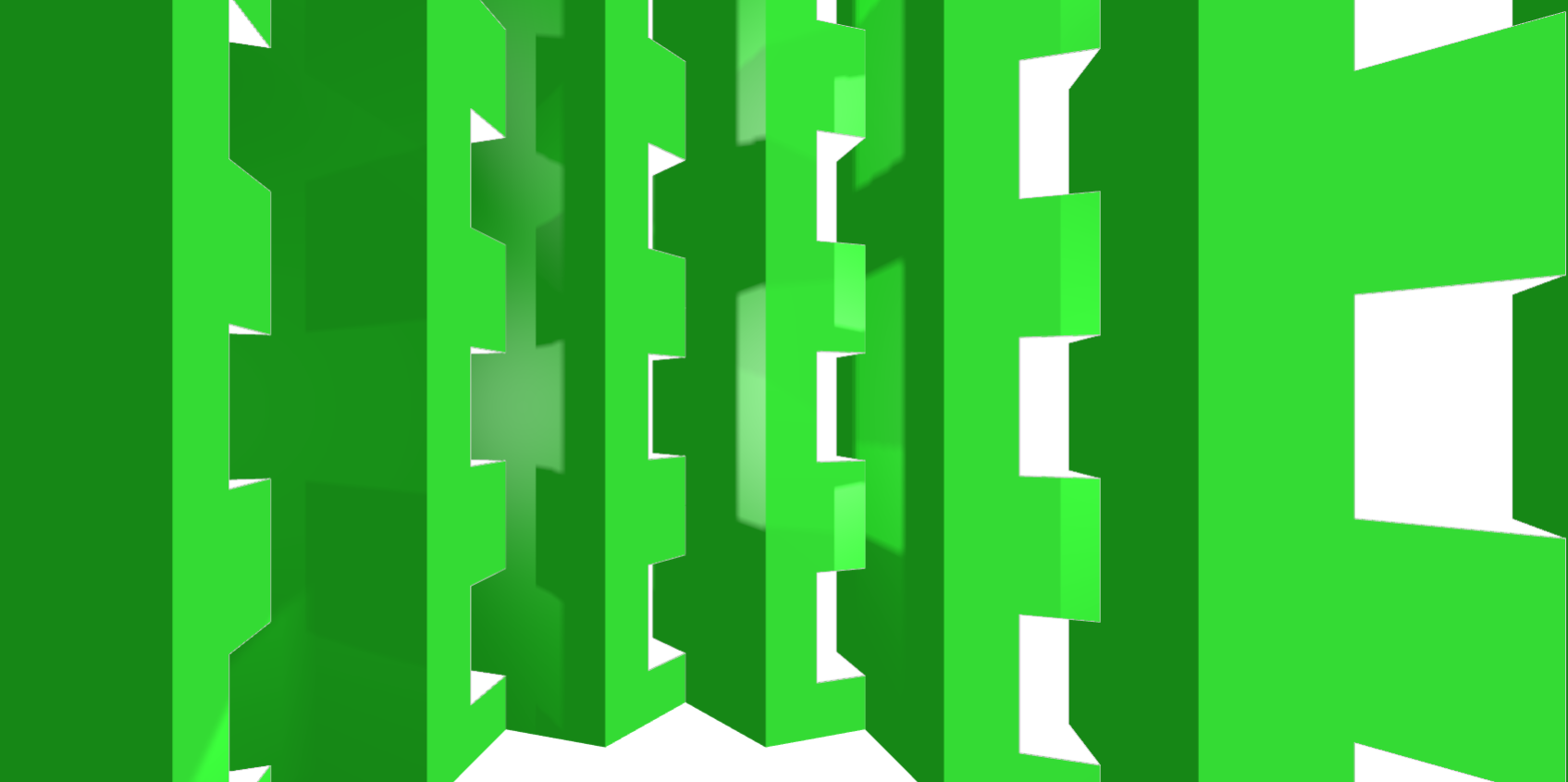
The polygonal model was built with repetitions simulating a cylindrical tower, with shadow effects.
3. Polygonal model 1: portal
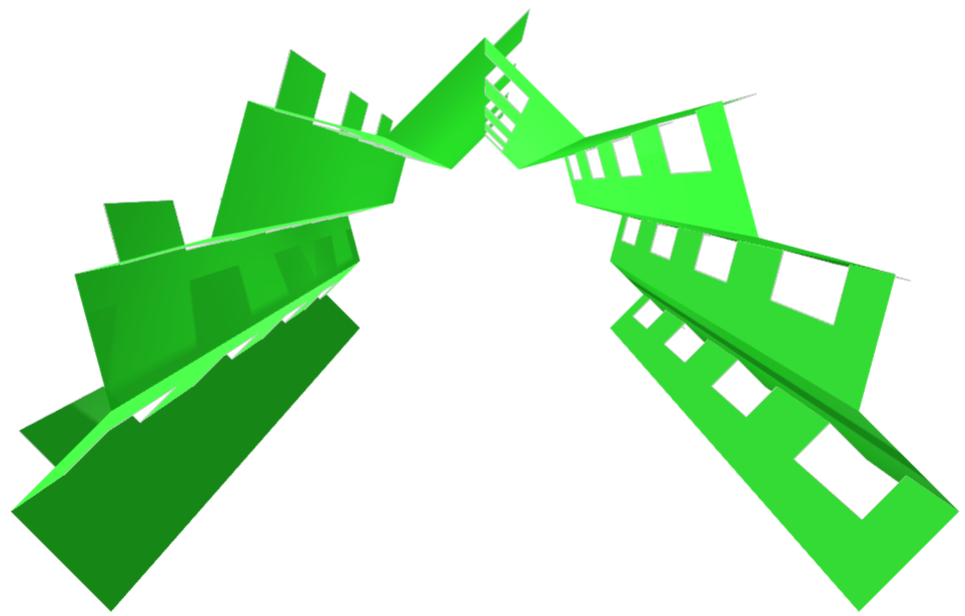
The polygonal model was built with repetitions simulating a portal (or tunnel), with shadow effects.
4. Pentagonal model: table
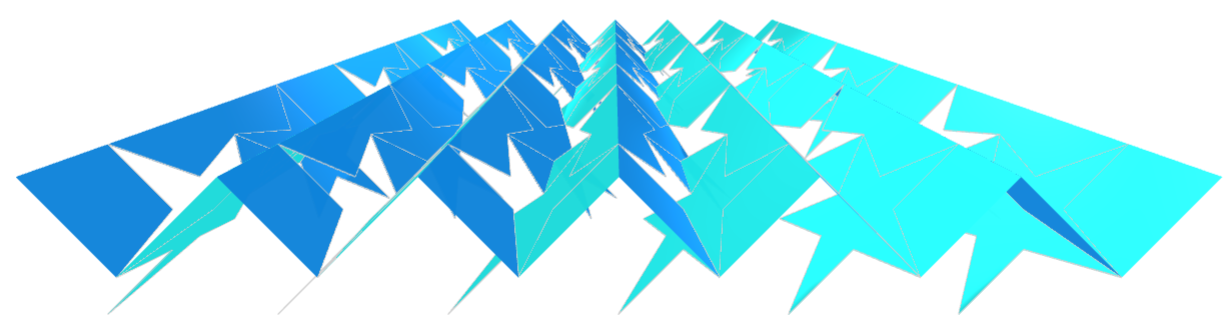
The pentagonal model was built with repetitions simulating a kirigami table, with shadow effects.
5. Pentagonal model: cylinder
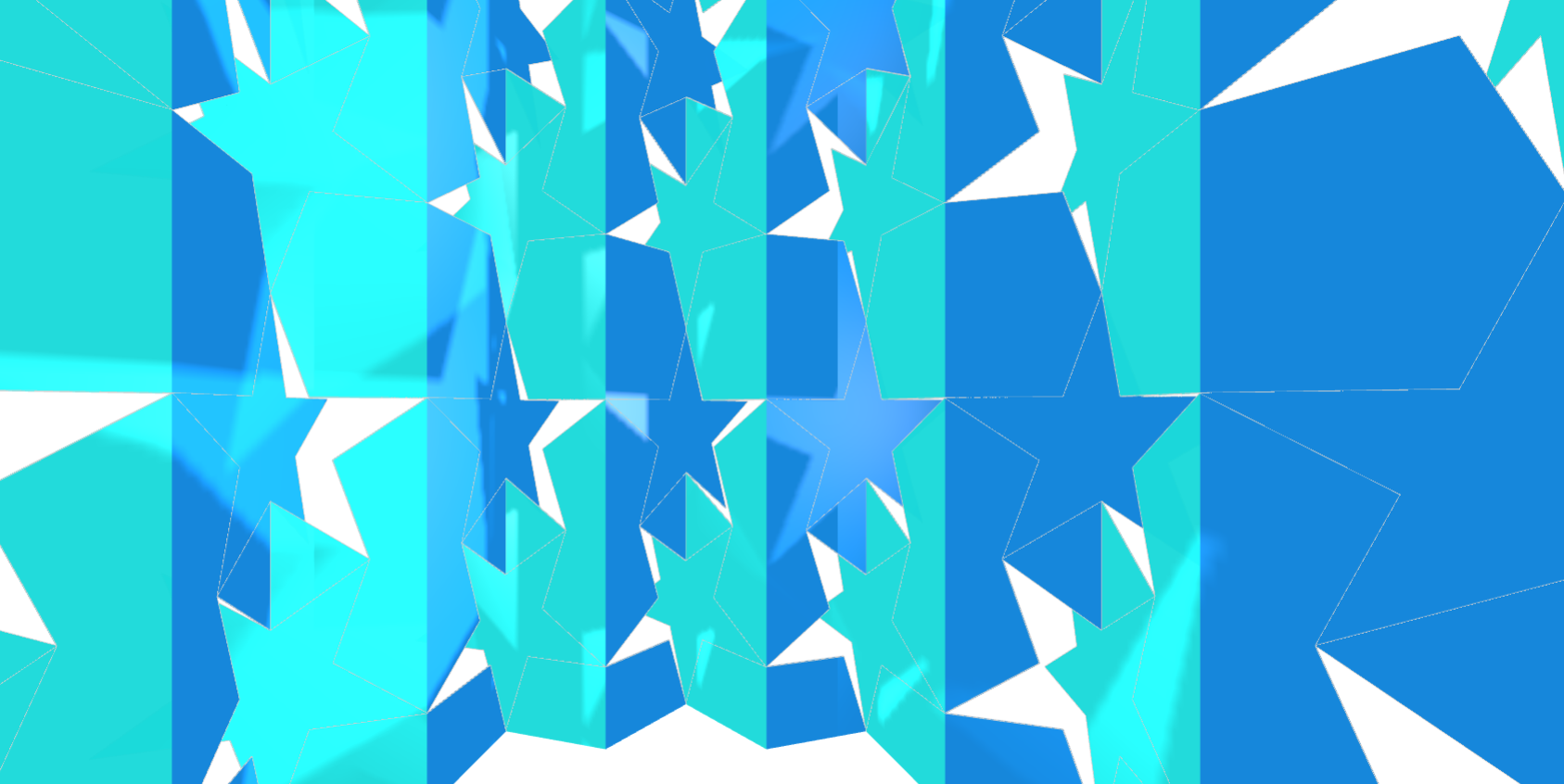
The pentagonal model was built with repetitions simulating a cylindrical tower, with shadow effects.
6. Pentagonal model: portal
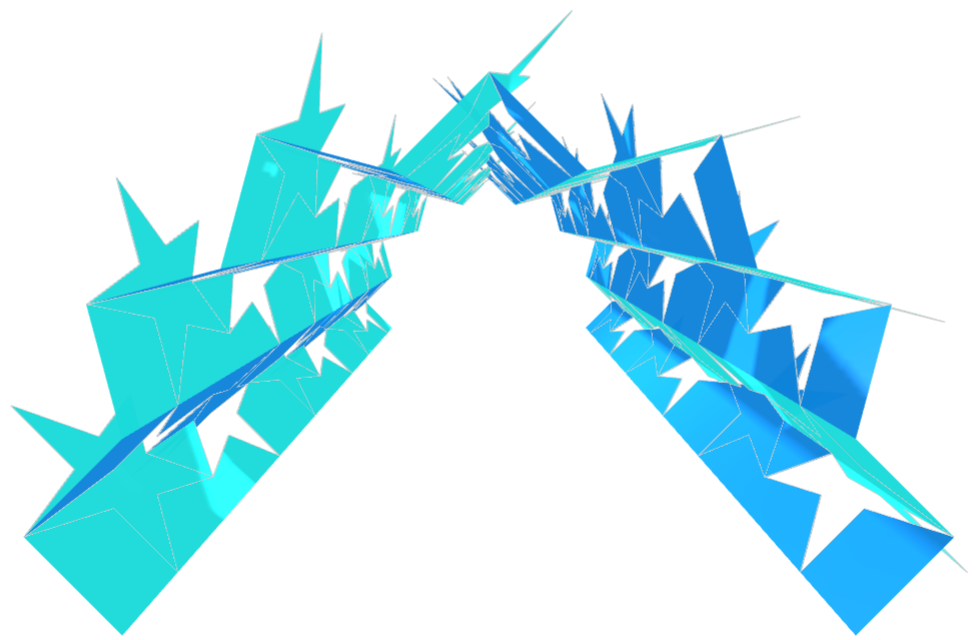
The pentagonal model was built with repetitions simulating a portal (or tunnel), with shadow effects.
7. Hexagonal model: table
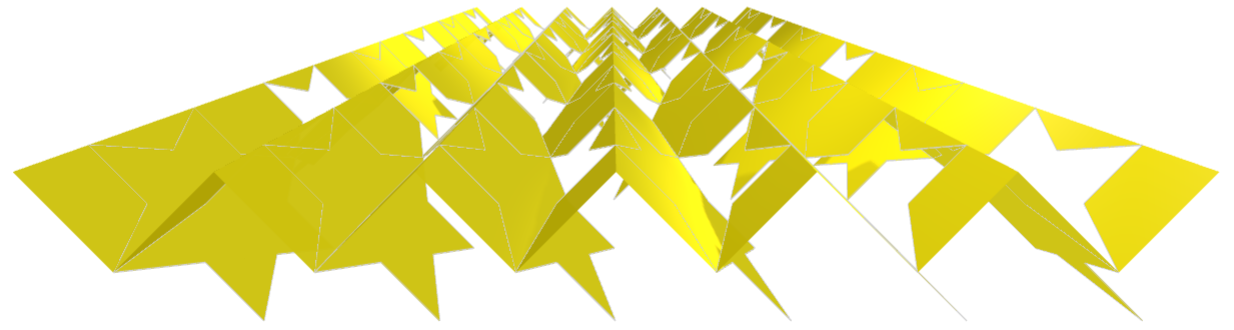
The hexagonal model was built with repetitions simulating a kirigami table, with shadow effects.
8. Hexagonal model: cylinder
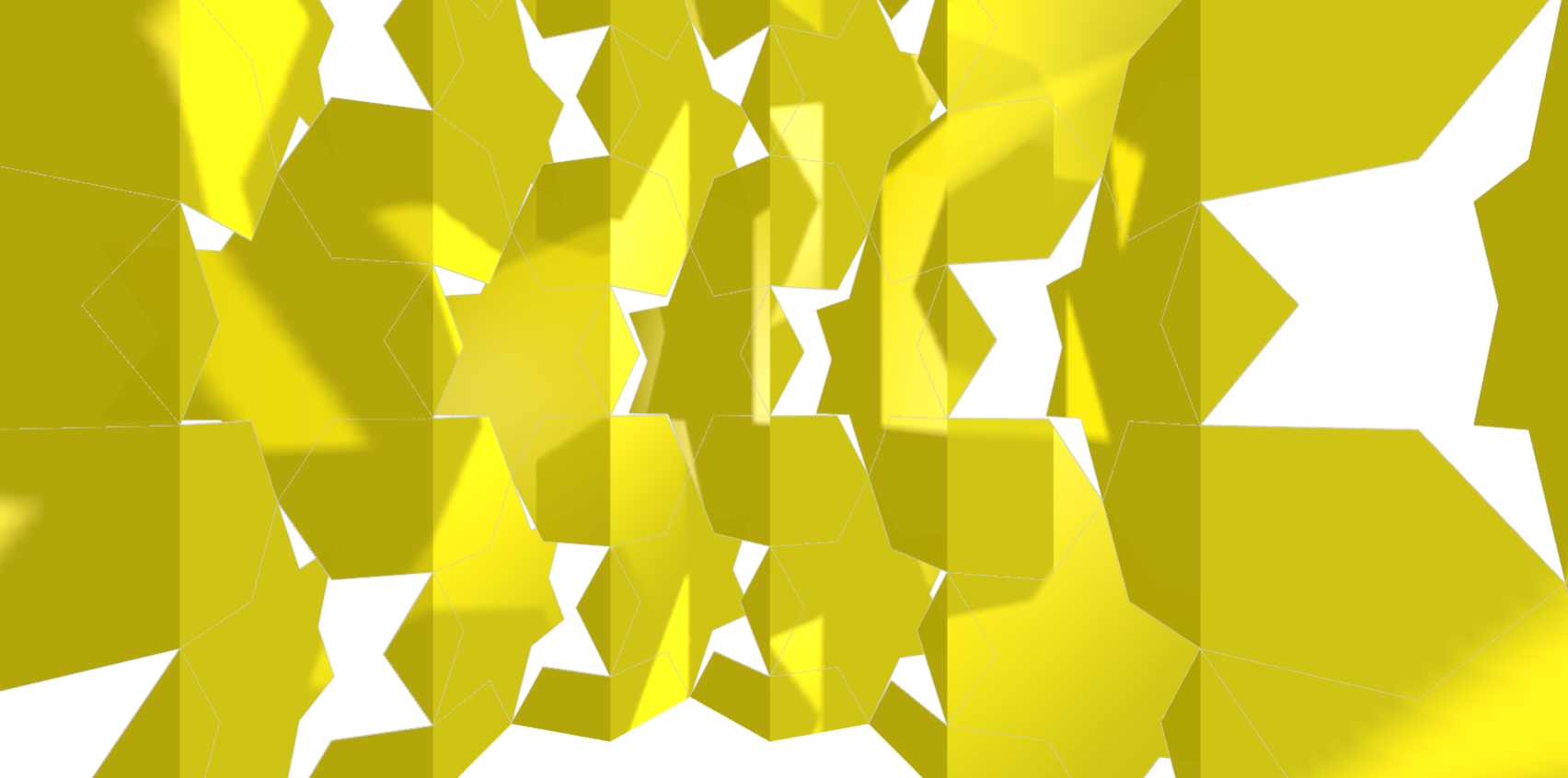
The hexagonal model was built with repetitions simulating a cylindrical tower, with shadow effects.
9. Hexagonal model: portal
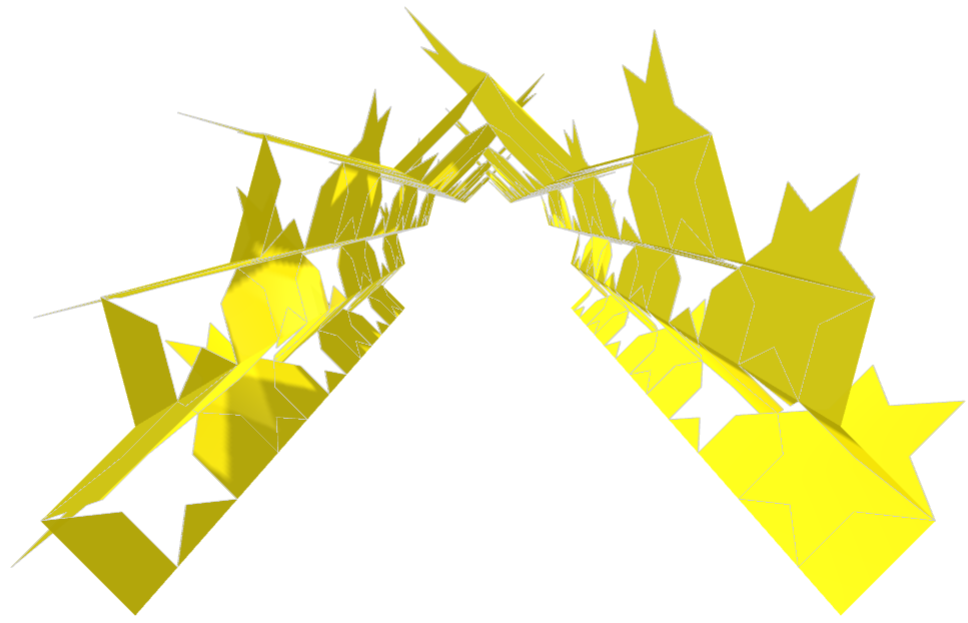
The hexagonal model was built with repetitions simulating a portal (or tunnel), with shadow effects.
10. Polygonal model 2: table
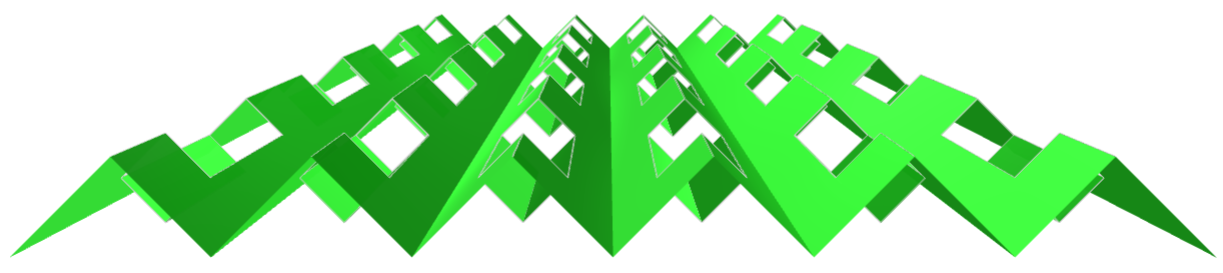
The polygonal model was built with repetitions simulating a kirigami table, with shadow effects.
11. Polygonal model 2: cylinder
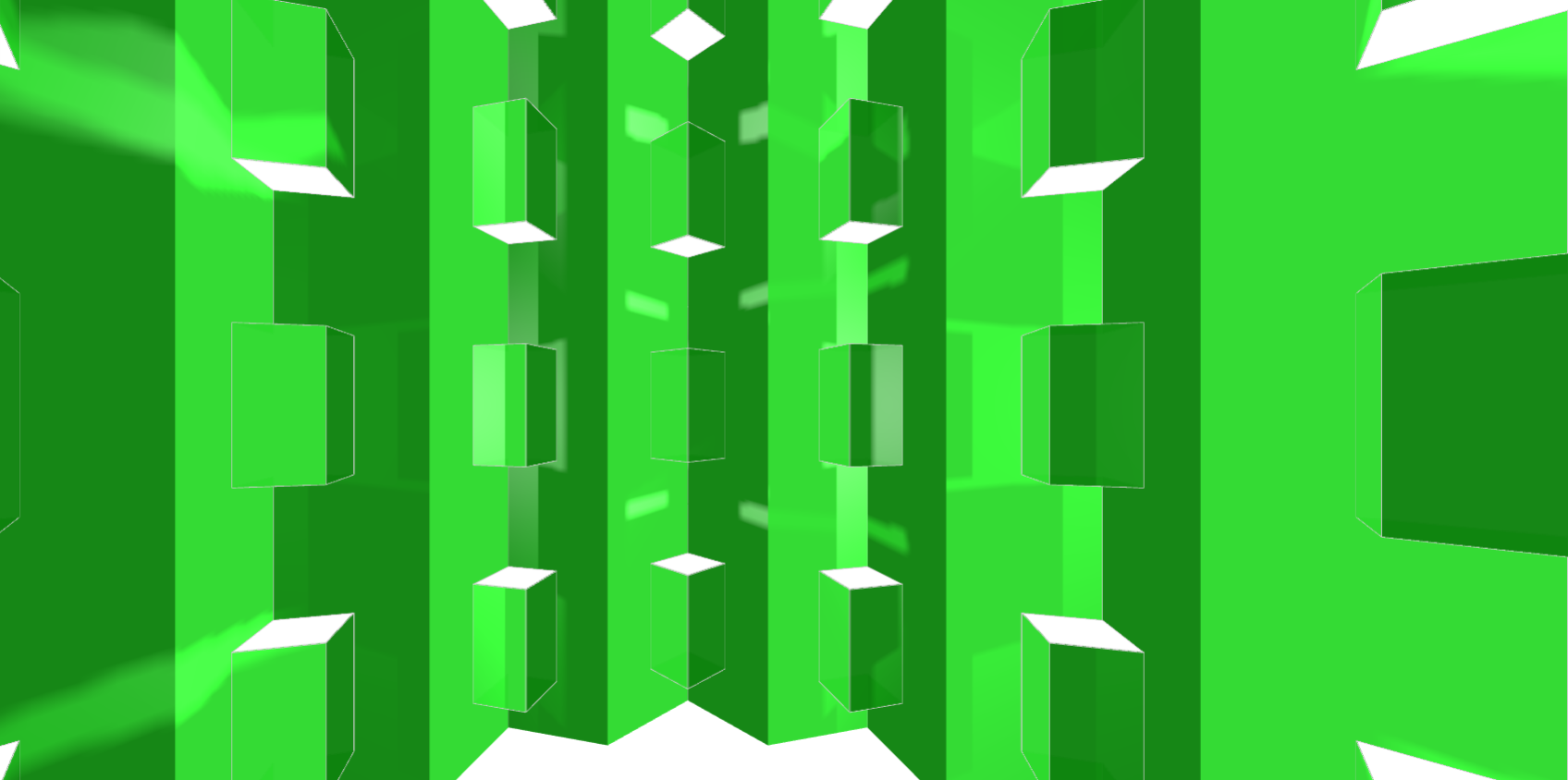
The polygonal model was built with repetitions simulating a cylindrical tower, with shadow effects.
12. Polygonal model 2: portal
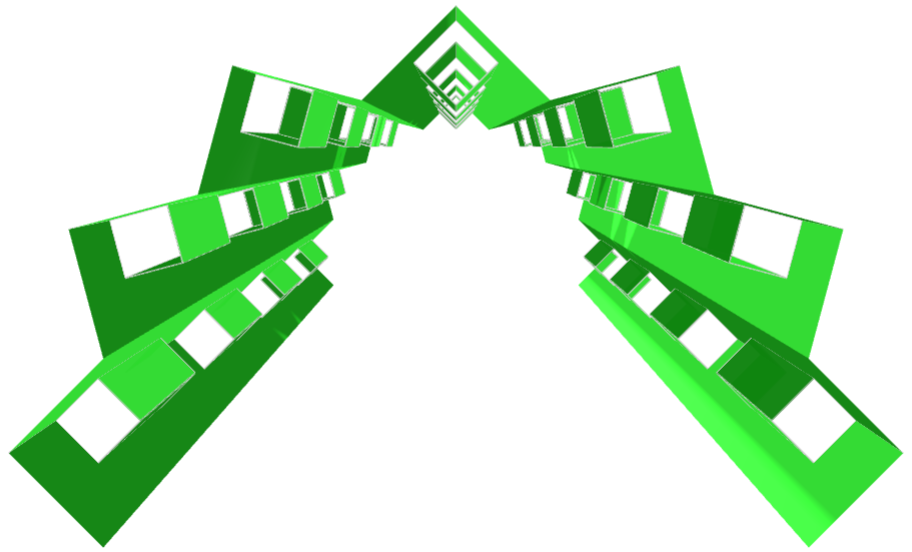
The polygonal model was built with repetitions simulating a portal (or tunnel), with shadow effects.
13. Pentagonal model: table
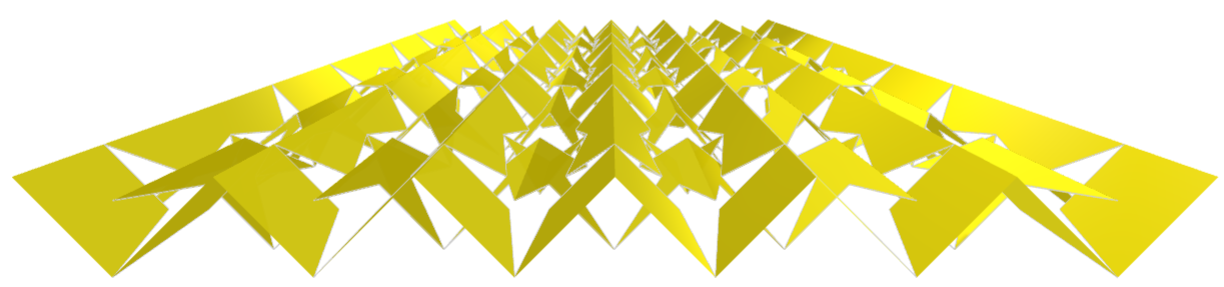
The pentagonal model was built with repetitions simulating a kirigami table, with shadow effects.
14. Pentagonal model: cylinder
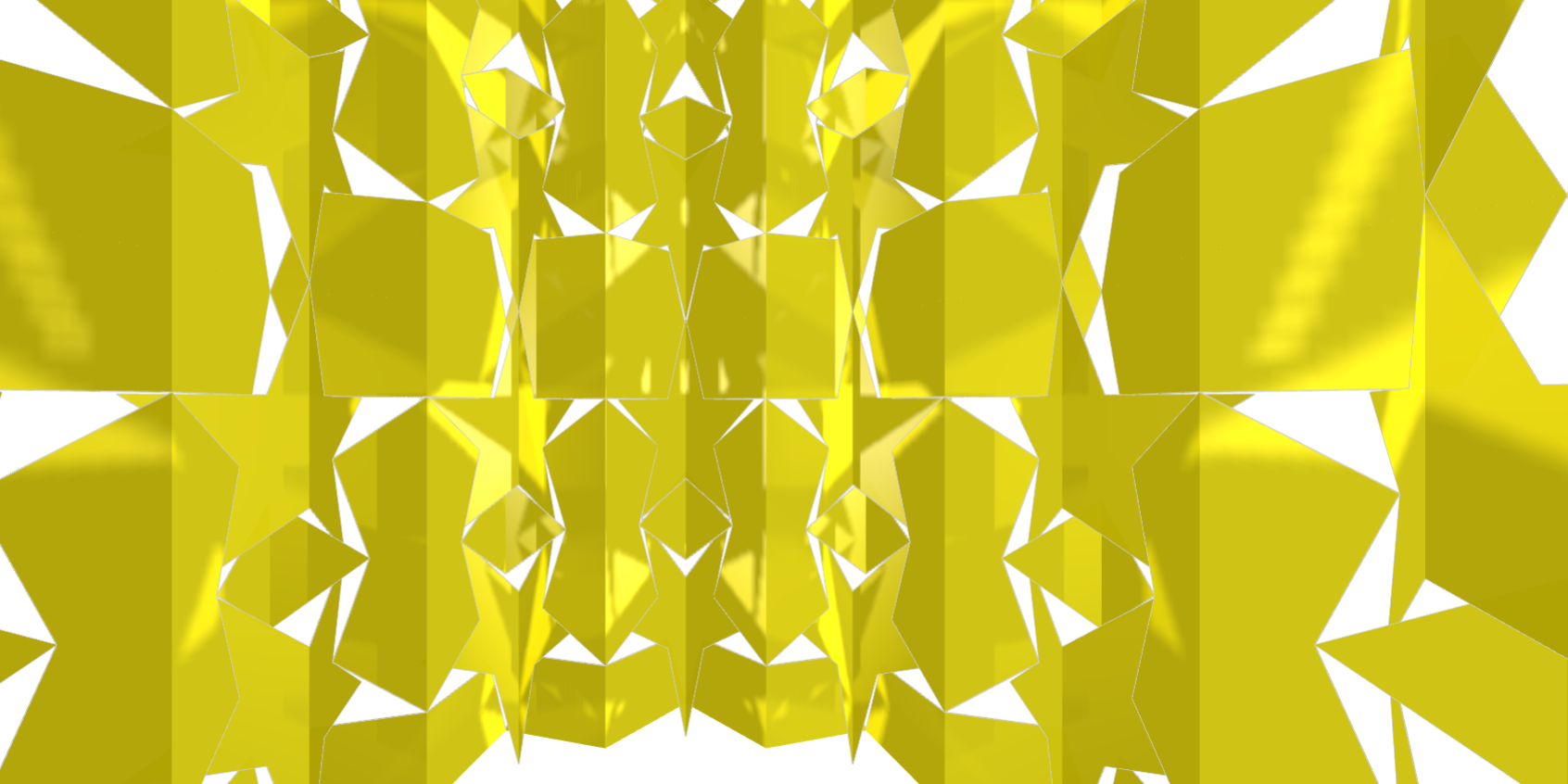
The pentagonal model was built with repetitions simulating a cylindrical tower, with shadow effects.
15. Pentagonal model: portal
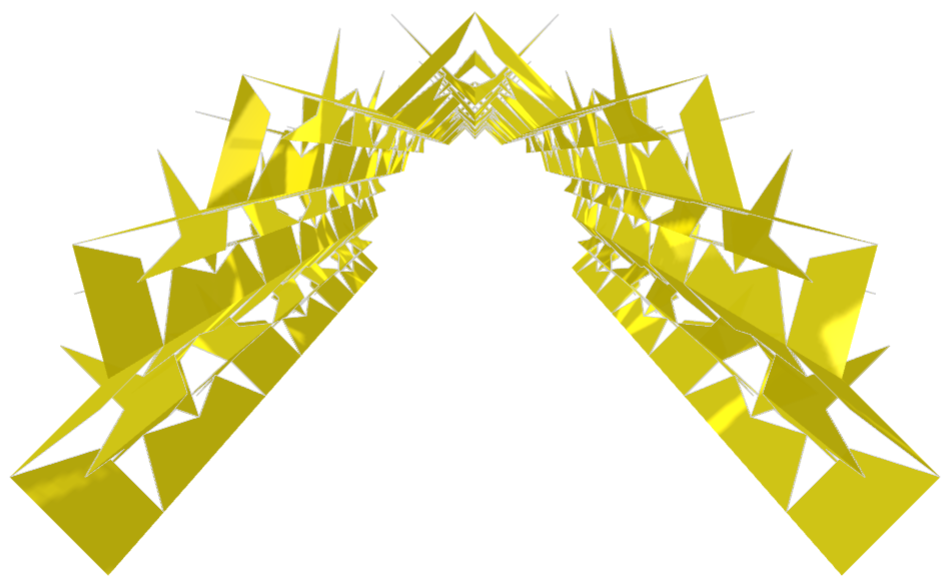
The pentagonal model was built with repetitions simulating a portal (or tunnel), with shadow effects.
16. Hexagonal model: table
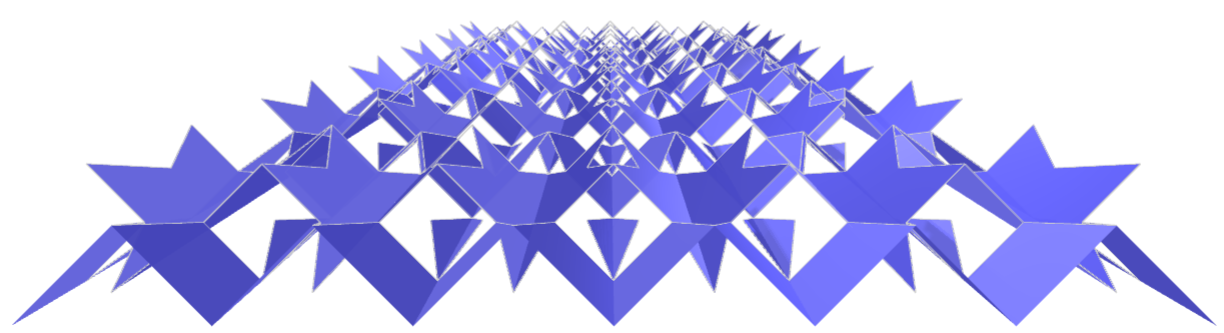
The hexagonal model was built with repetitions simulating a kirigami table, with shadow effects.
17. Hexagonal model: cylinder
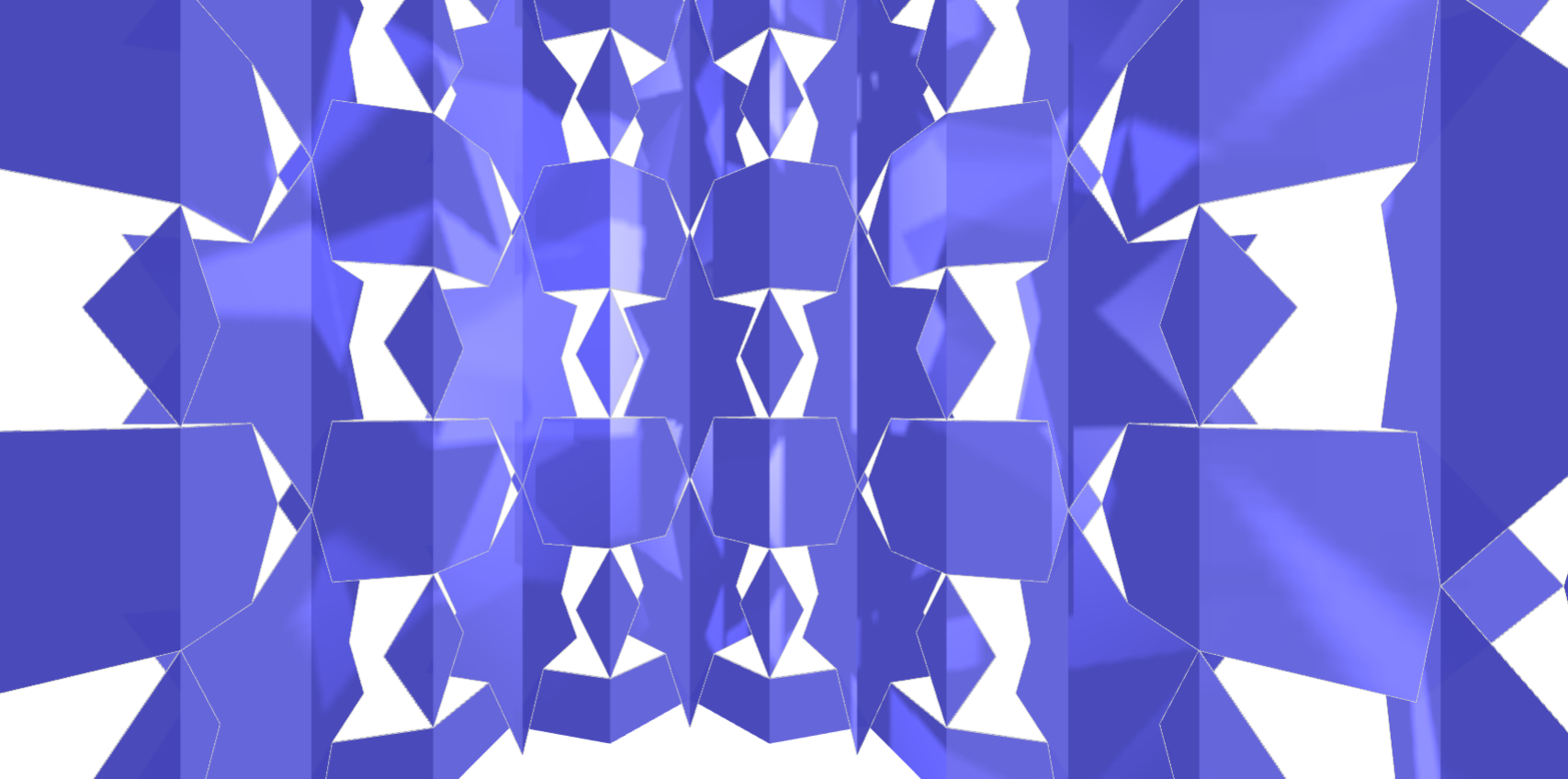
The hexagonal model was built with repetitions simulating a cylindrical tower, with shadow effects.
18. Hexagonal model: portal
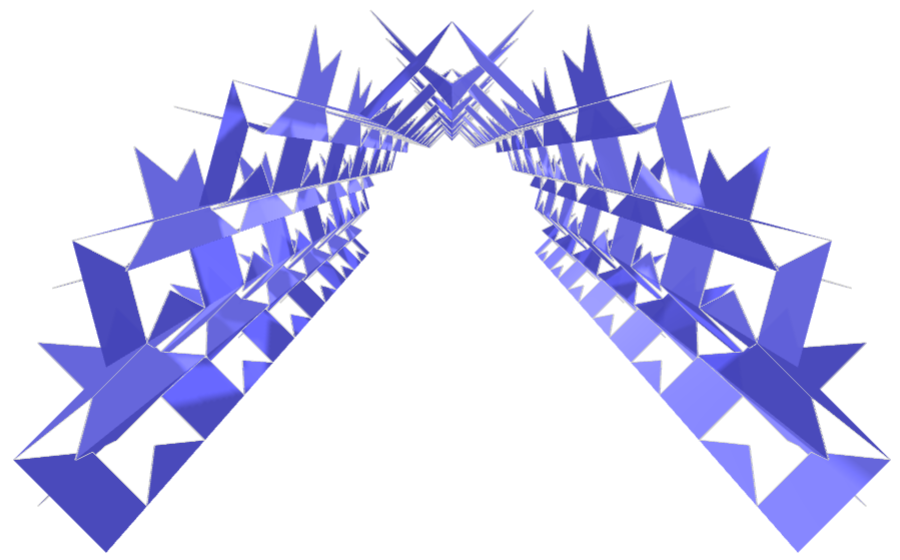
The hexagonal model was built with repetitions simulating a portal (or tunnel), with shadow effects.
19. Polygonal model 3: table
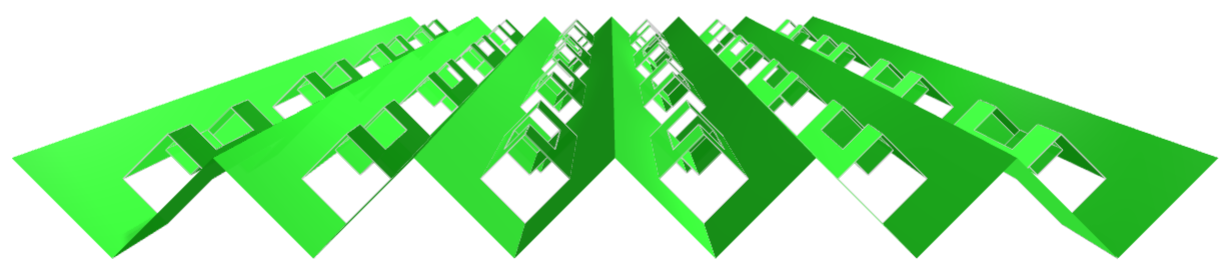
The polygonal model was built with repetitions simulating a kirigami table, with shadow effects.
20. Polygonal model 3: cylinder
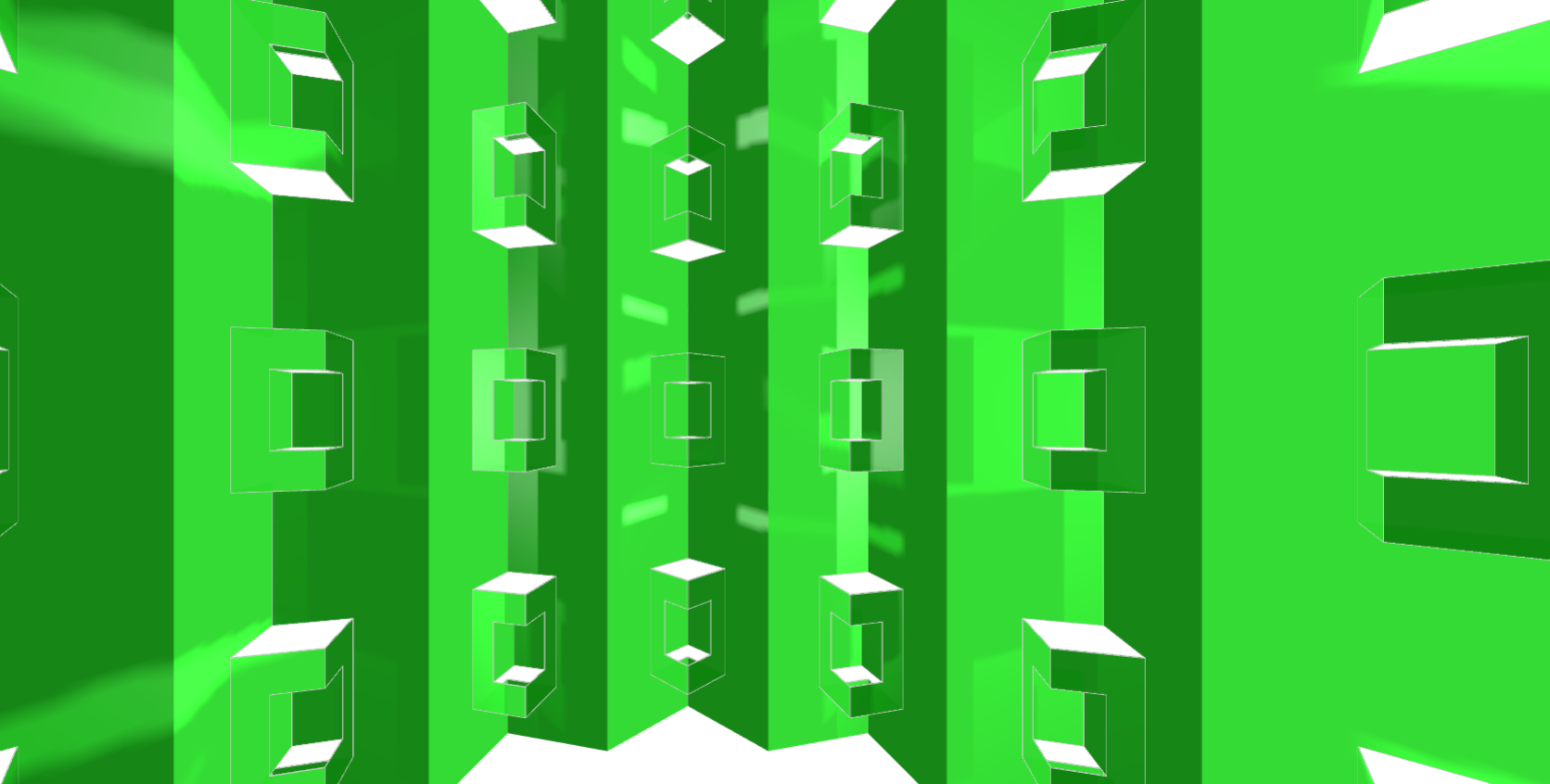
The polygonal model was built with repetitions simulating a cylindrical tower, with shadow effects.
21. Polygonal model 3: portal
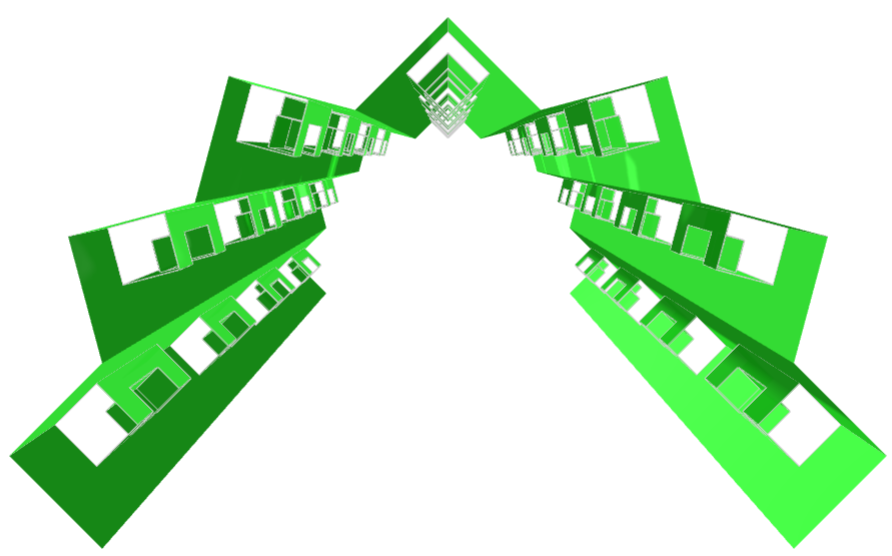
The polygonal model was built with repetitions simulating a portal (or tunnel), with shadow effects.
22. Pentagonal model: table
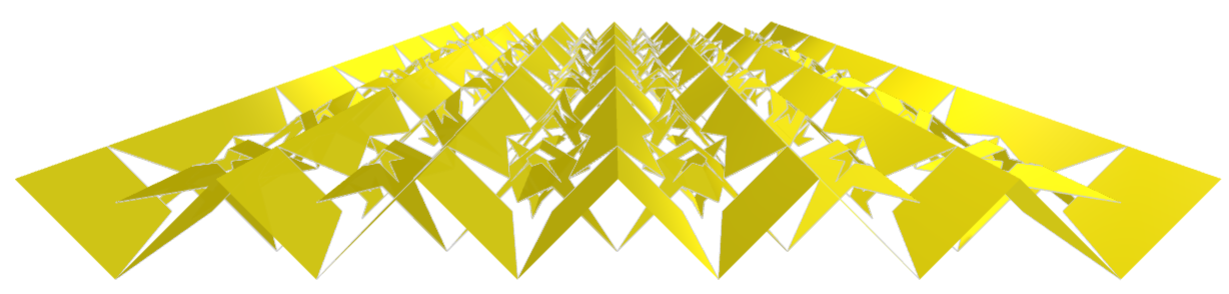
The pentagonal model was built with repetitions simulating a kirigami table, with shadow effects.
23. Pentagonal model: cylinder
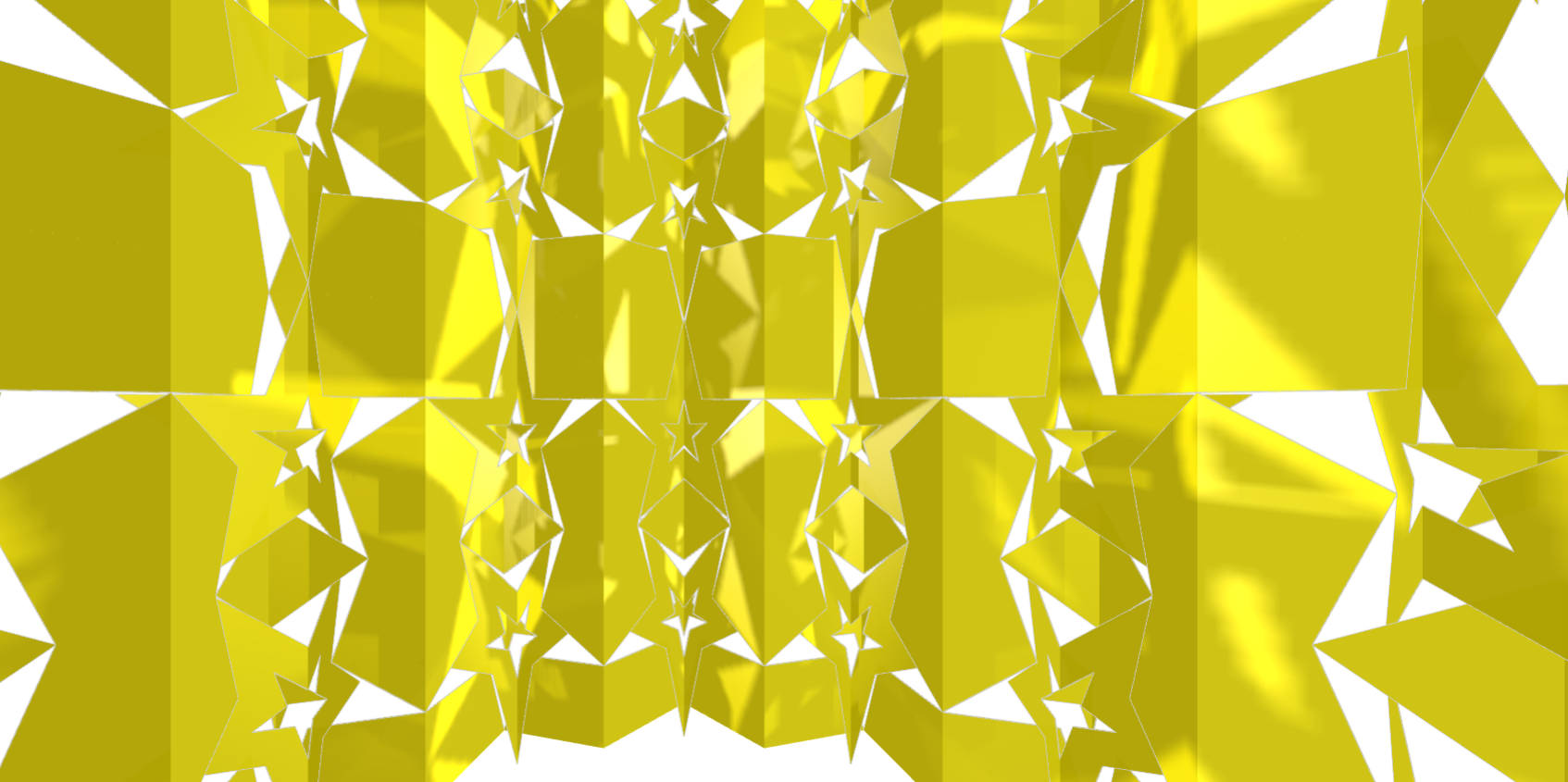
The pentagonal model was built with repetitions simulating a cylindrical tower, with shadow effects.
24. Pentagonal model: portal
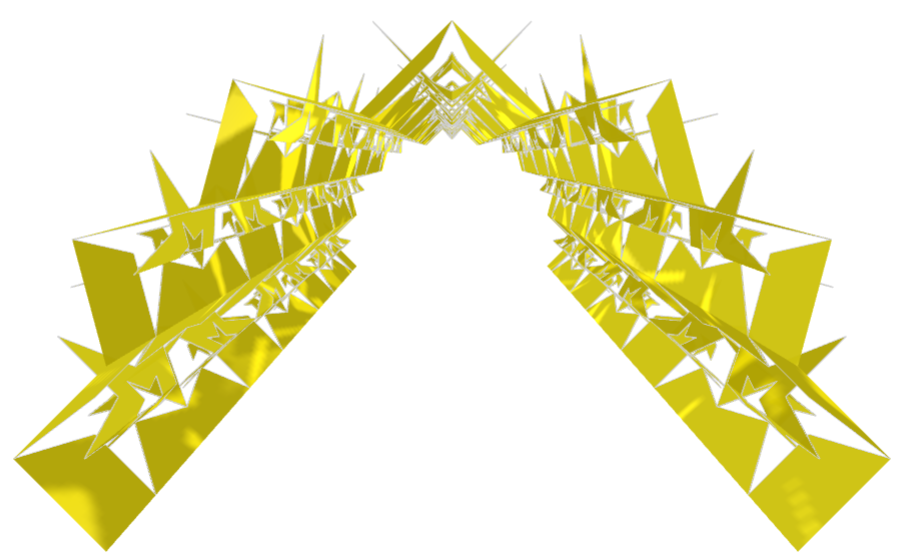
The pentagonal model was built with repetitions simulating a portal (or tunnel), with shadow effects.
25. Hexagonal model: table
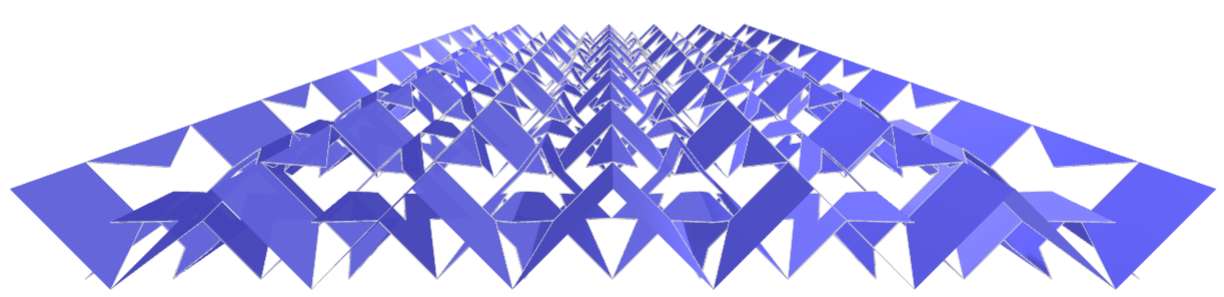
The hexagonal model was built with repetitions simulating a kirigami table, with shadow effects.
26. Hexagonal model: cylinder
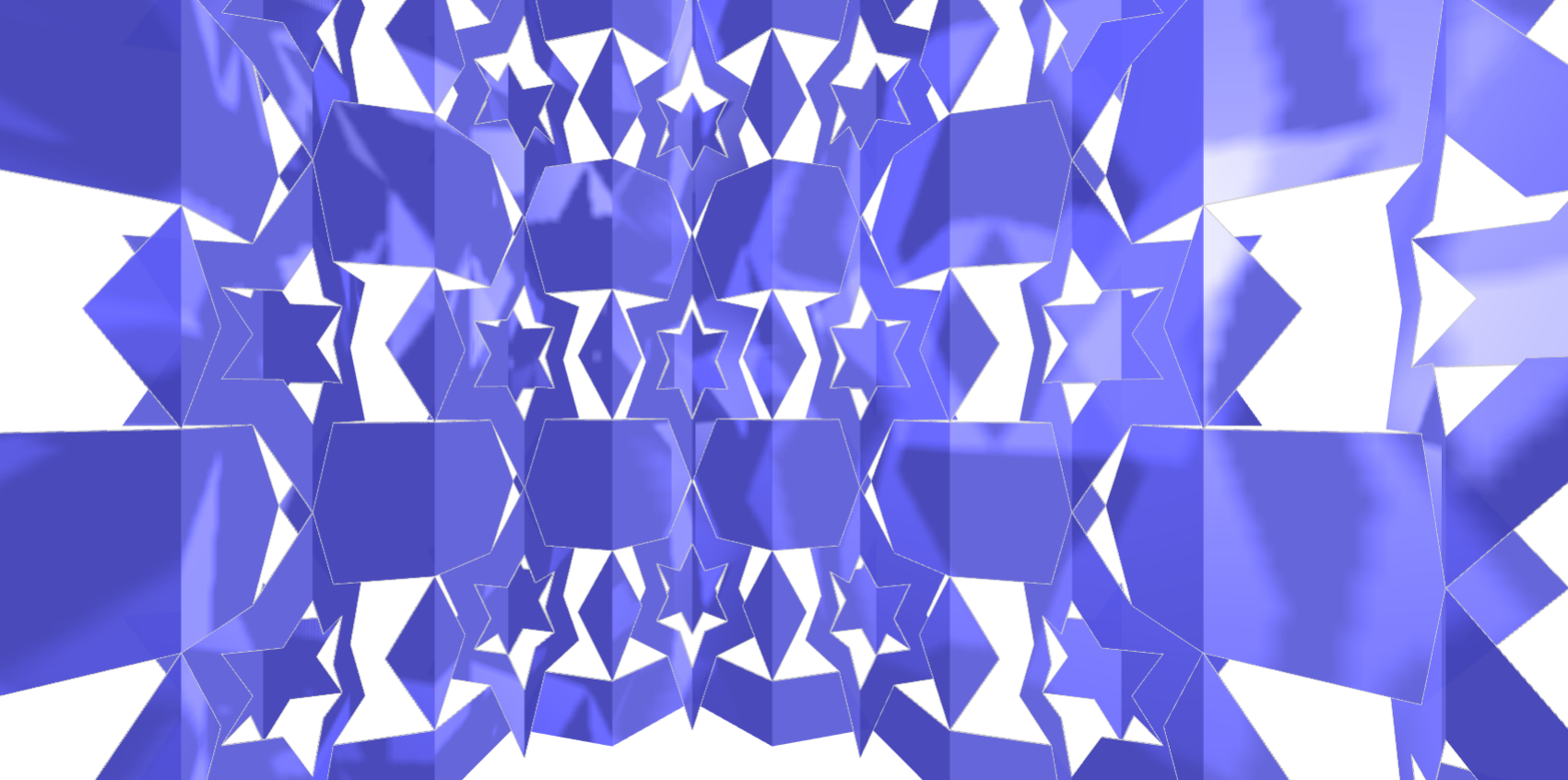
The hexagonal model was built with repetitions simulating a cylindrical tower, with shadow effects.
27. Hexagonal model: portal
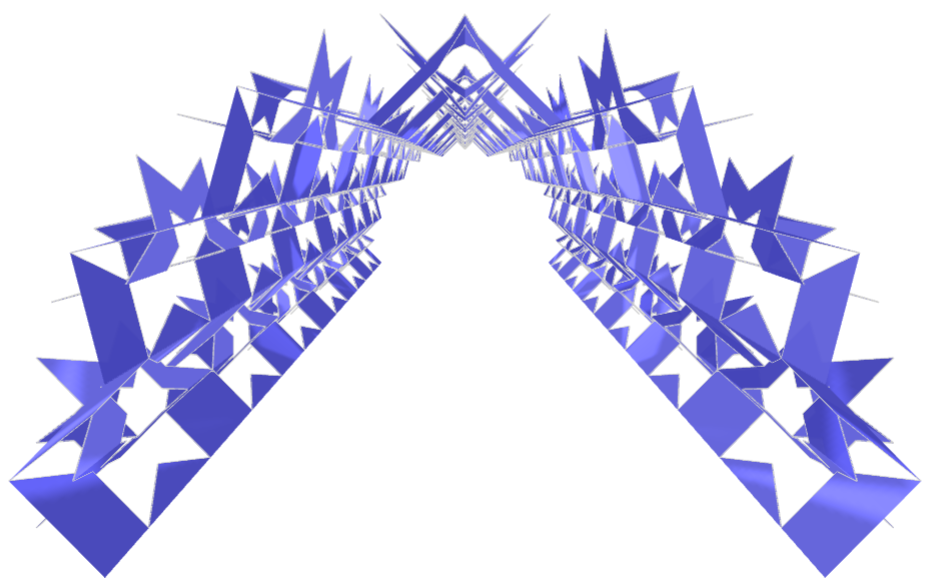
The hexagonal model was built with repetitions simulating a portal (or tunnel), with shadow effects.
28. Pentagonal model: table
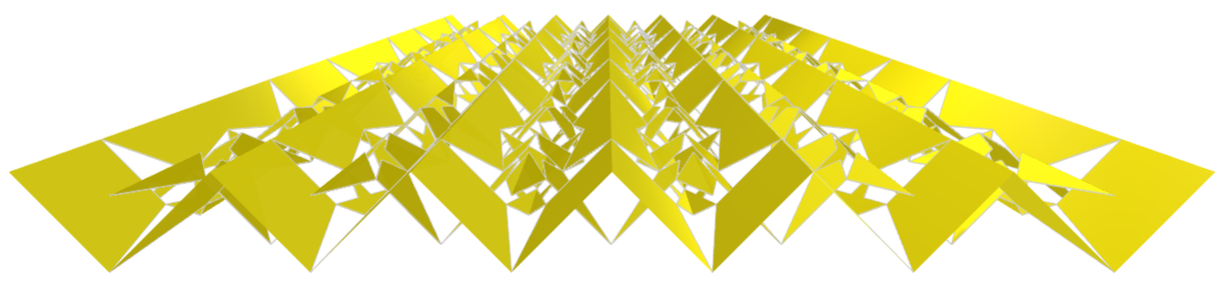
The pentagonal model was built with repetitions simulating a kirigami table, with shadow effects.
29. Pentagonal model: cylinder
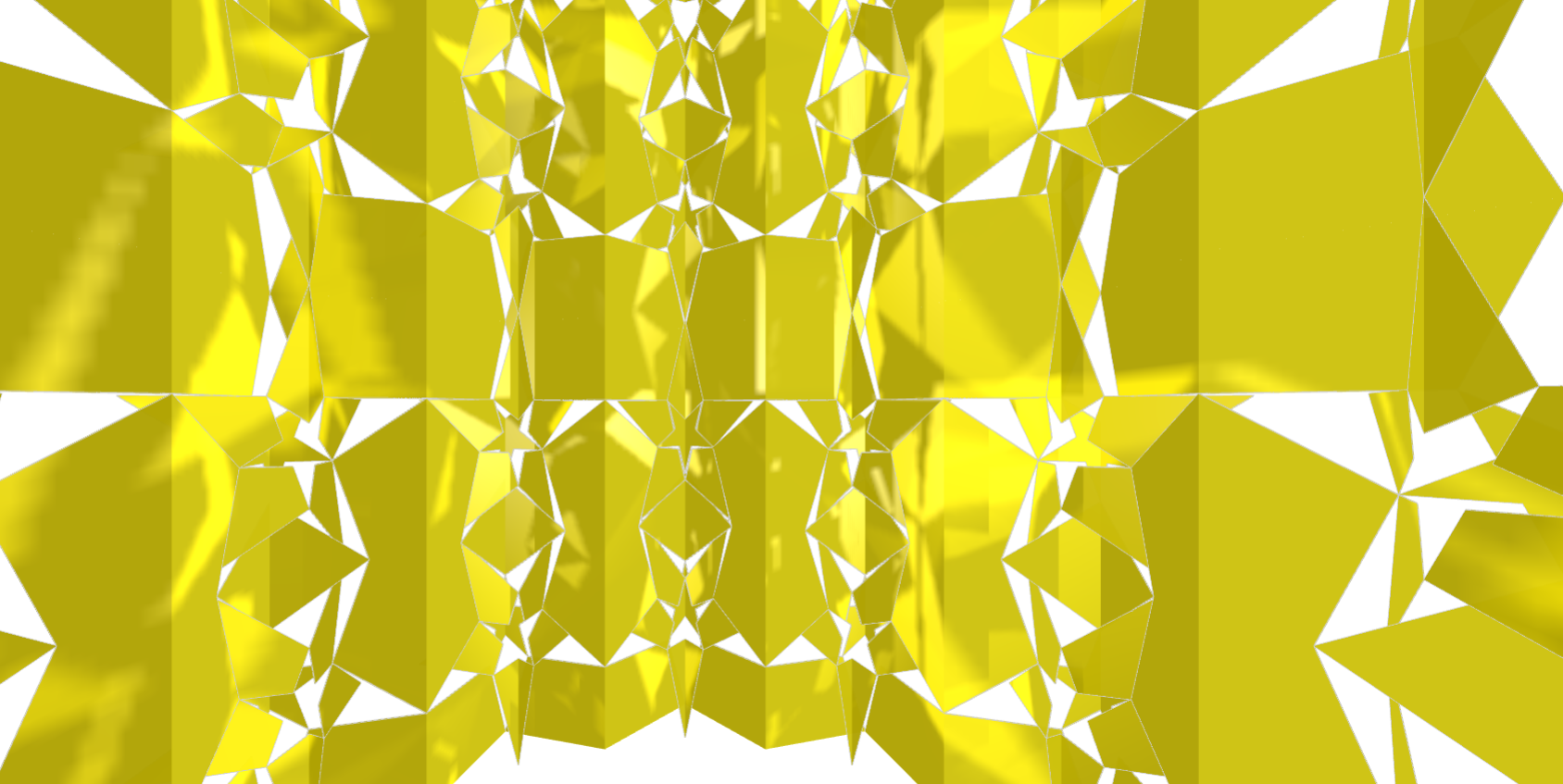
The pentagonal model was built with repetitions simulating a cylindrical tower, with shadow effects.
30. Pentagonal model: portal
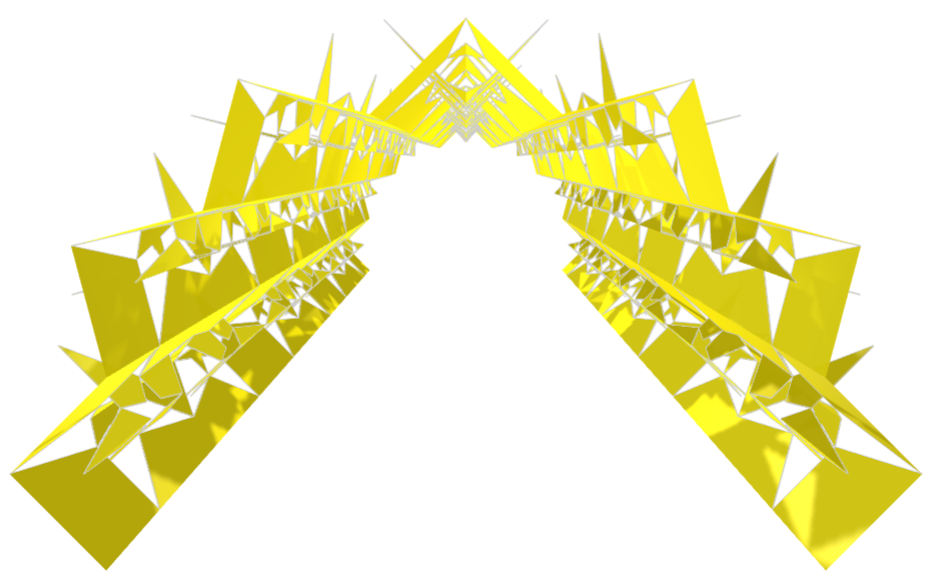
The pentagonal model was built with repetitions simulating a portal (or tunnel), with shadow effects.
31. Hexagonal model: table
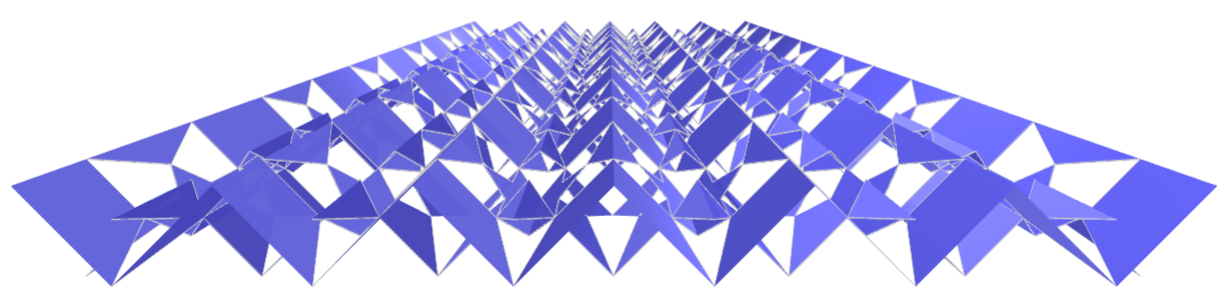
The hexagonal model was built with repetitions simulating a kirigami table, with shadow effects.
32. Hexagonal model: cylinder
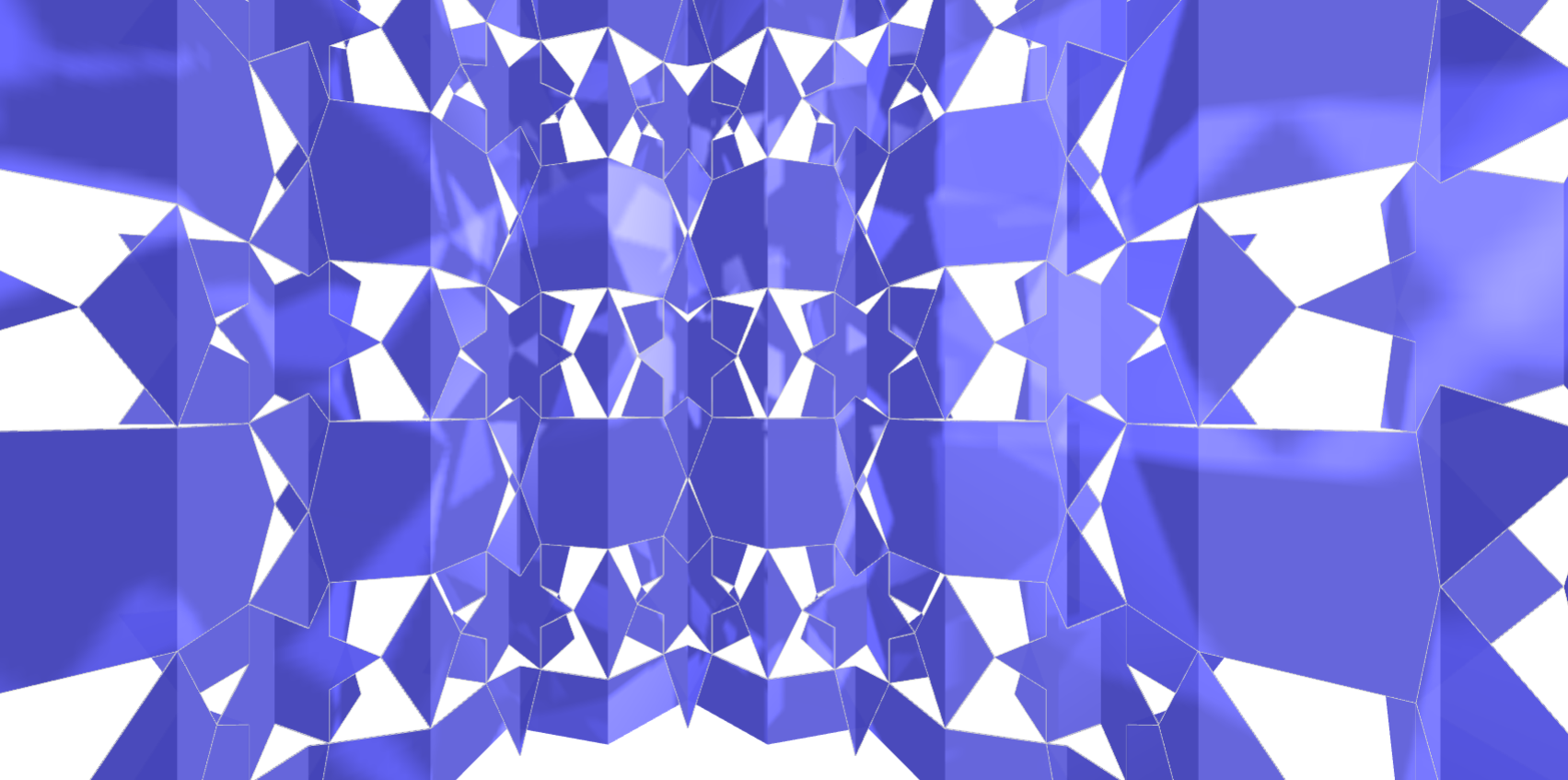
The hexagonal model was built with repetitions simulating a cylindrical tower, with shadow effects.
33. Hexagonal model: portal
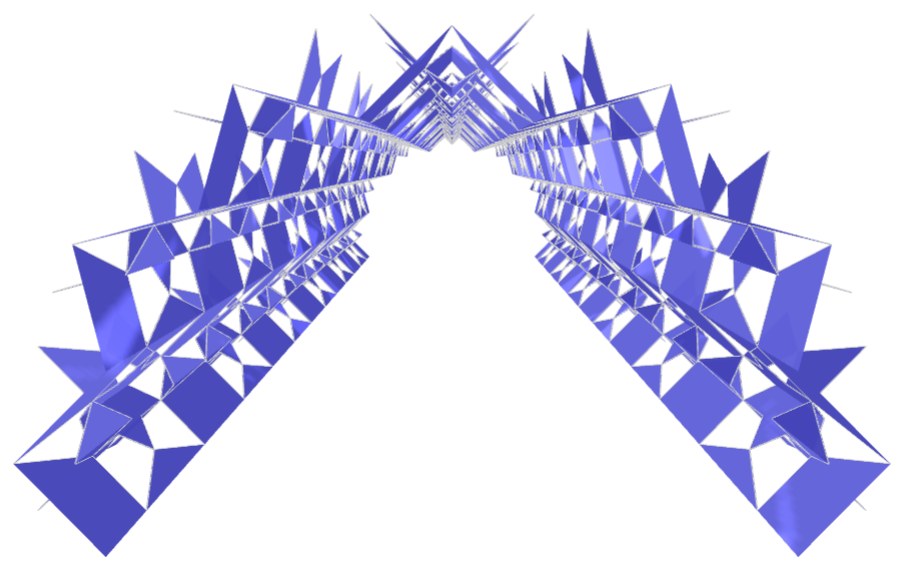
The hexagonal model was built with repetitions simulating a portal (or tunnel), with shadow effects.
34. Heptagonal model: table
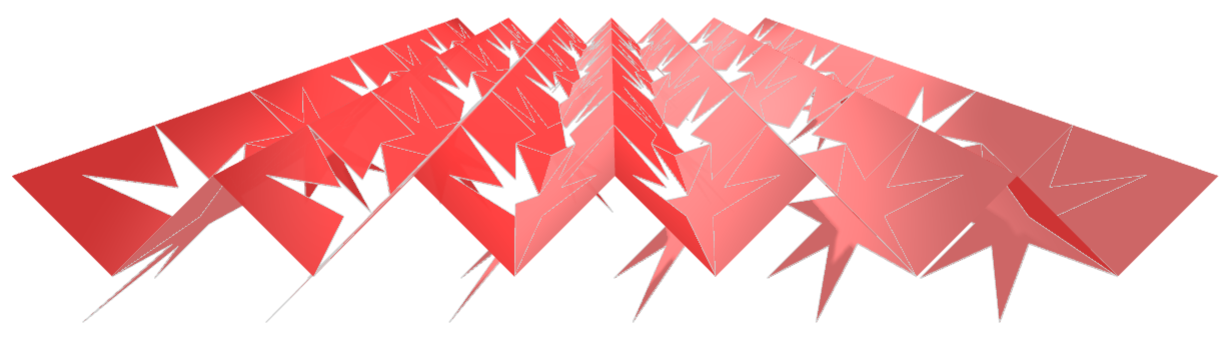
The heptagonal model was built with repetitions simulating a kirigami table, with shadow effects.
35. Heptagonal model: cylinder

The heptagonal model was built with repetitions simulating a cylindrical tower, with shadow effects.
36. Heptagonal model: portal
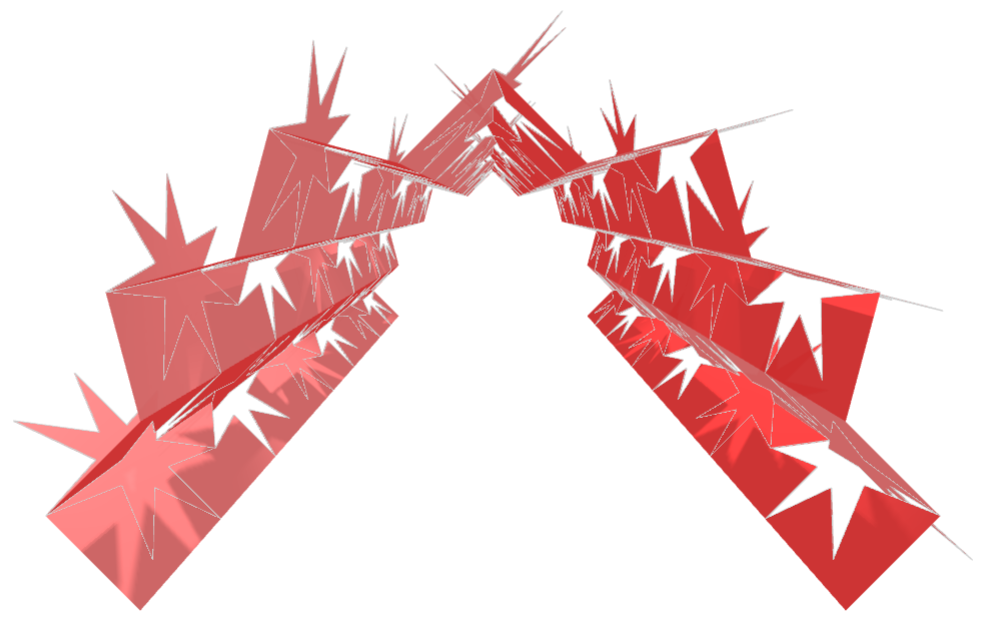
The heptagonal model was built with repetitions simulating a portal (or tunnel), with shadow effects.
37. Floral model #1: wall
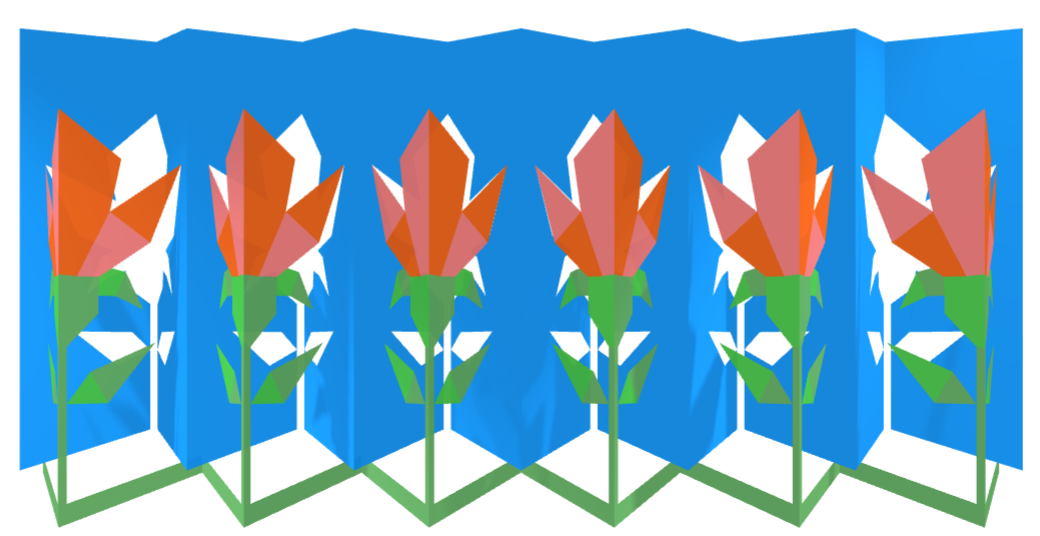
The floral model was built with repetitions simulating a kirigami wall, with shadow effects.
38. Floral model #1: cylinder
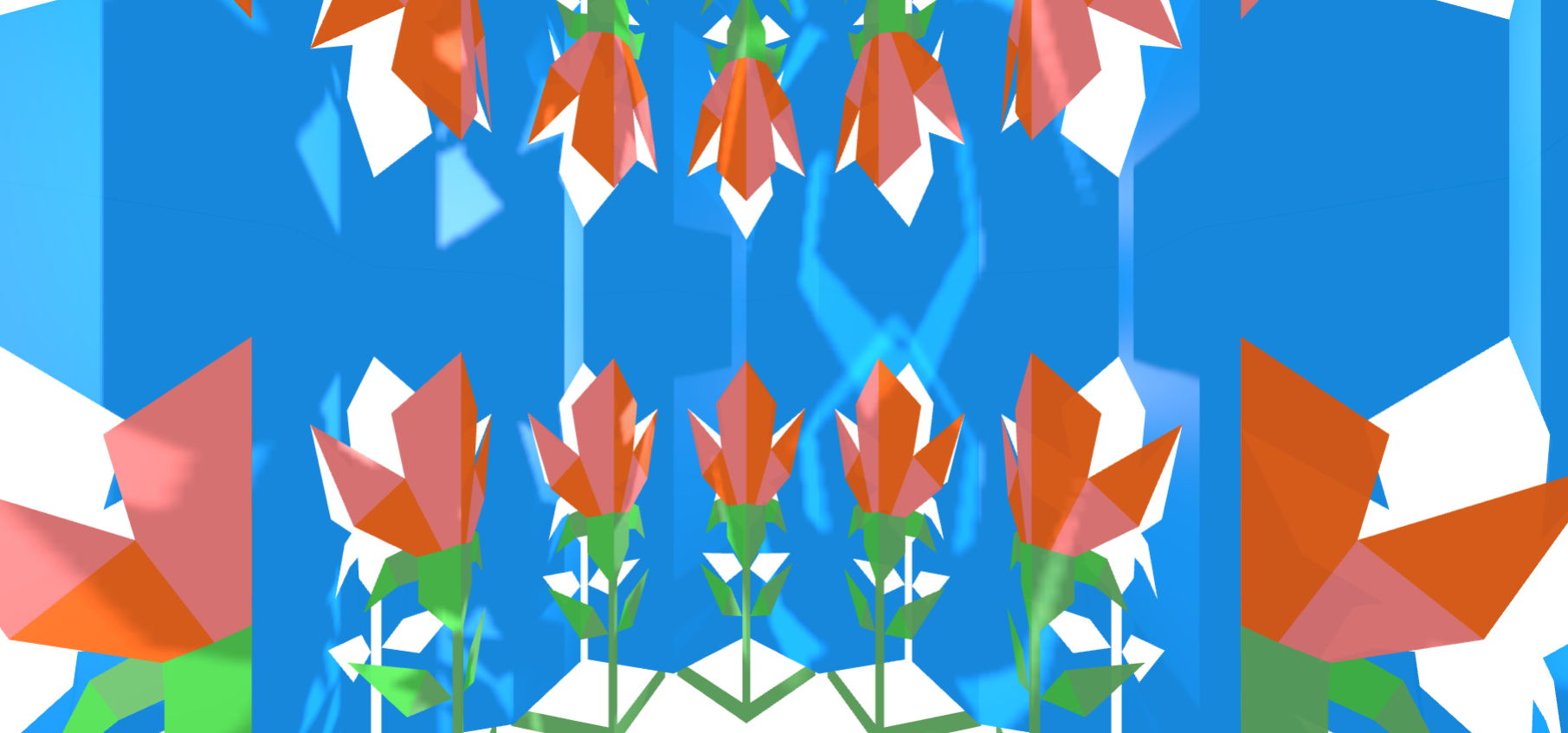
The floral model was built with repetitions simulating a cylindrical tower, with shadow effects.
39. Floral model #1: portal
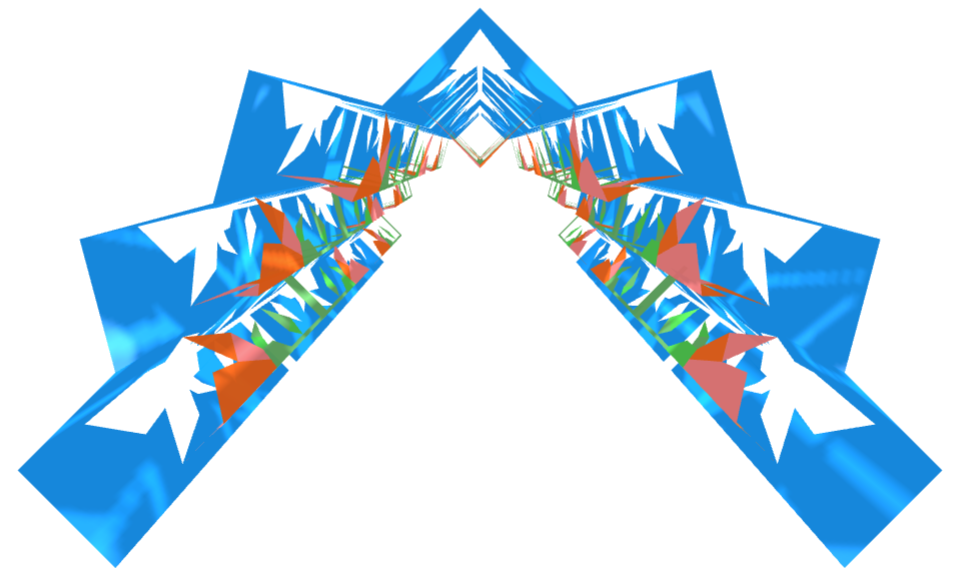
The floral model was built with repetitions simulating a portal (or tunnel), with shadow effects.
40. Floral model #2: wall
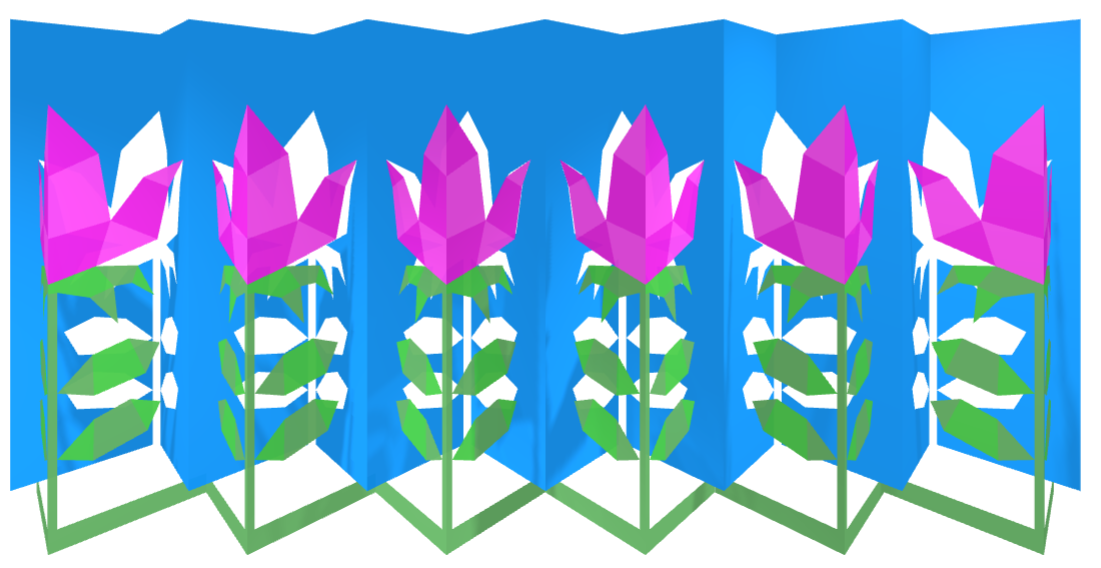
The floral model was built with repetitions simulating a kirigami wall, with shadow effects.
41. Floral model #2: cylinder
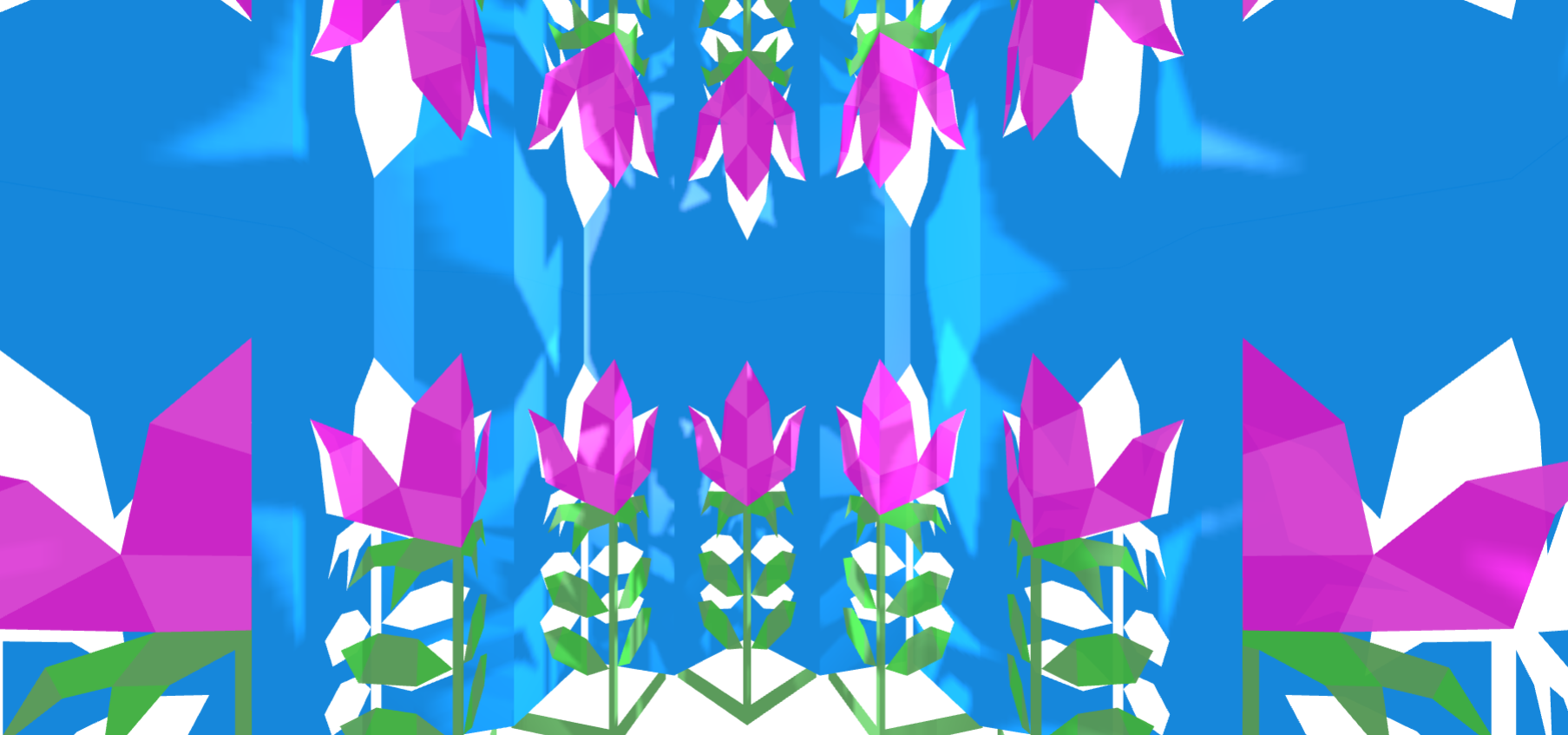
The floral model was built with repetitions simulating a cylindrical tower, with shadow effects.
42. Floral model #2: portal
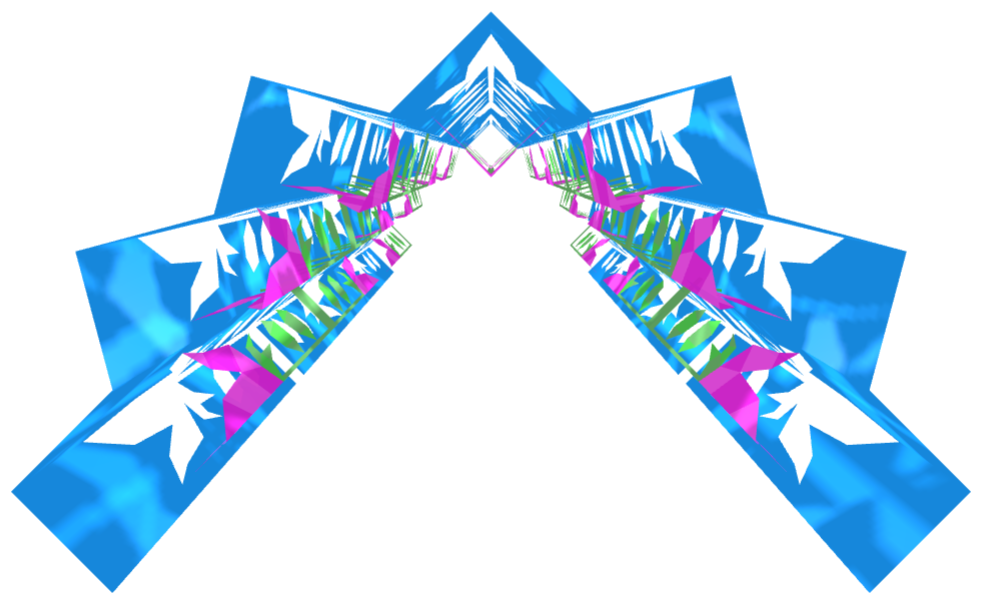
The floral model was built with repetitions simulating a portal (or tunnel), with shadow effects.
43. Our Lady Aparecida model: wall
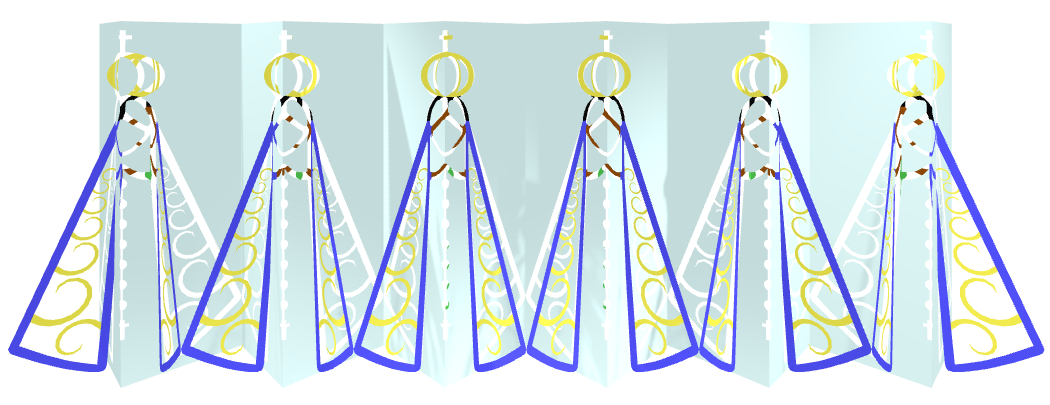
The Our Lady Aparecida model was built with repetitions simulating a kirigami wall, with shadow effects.
44. Our Lady Aparecida model: cylinder
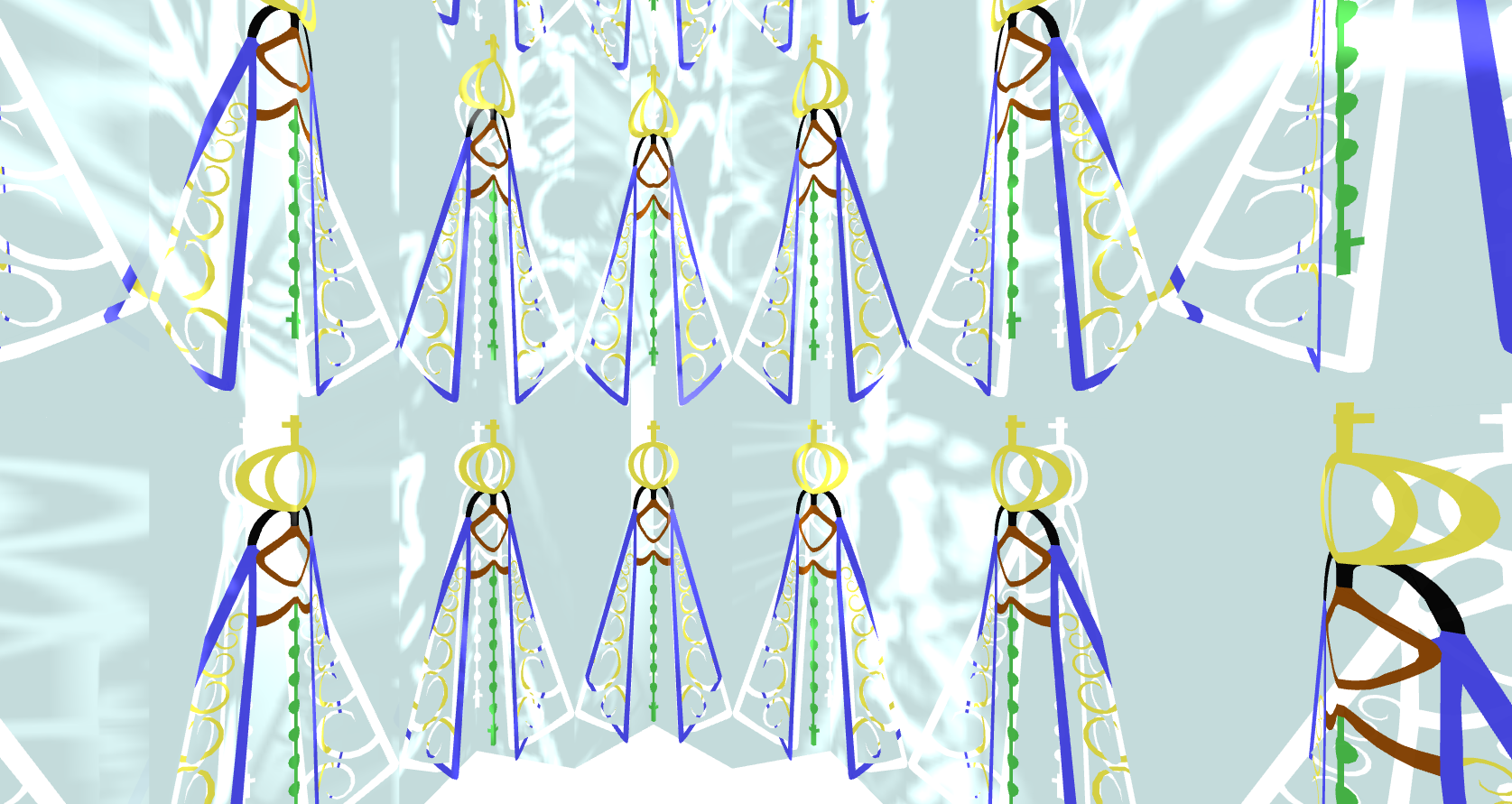
The Our Lady Aparecida model was built with repetitions simulating a cylindrical tower, with shadow effects.
45. Our Lady Aparecida model: portal
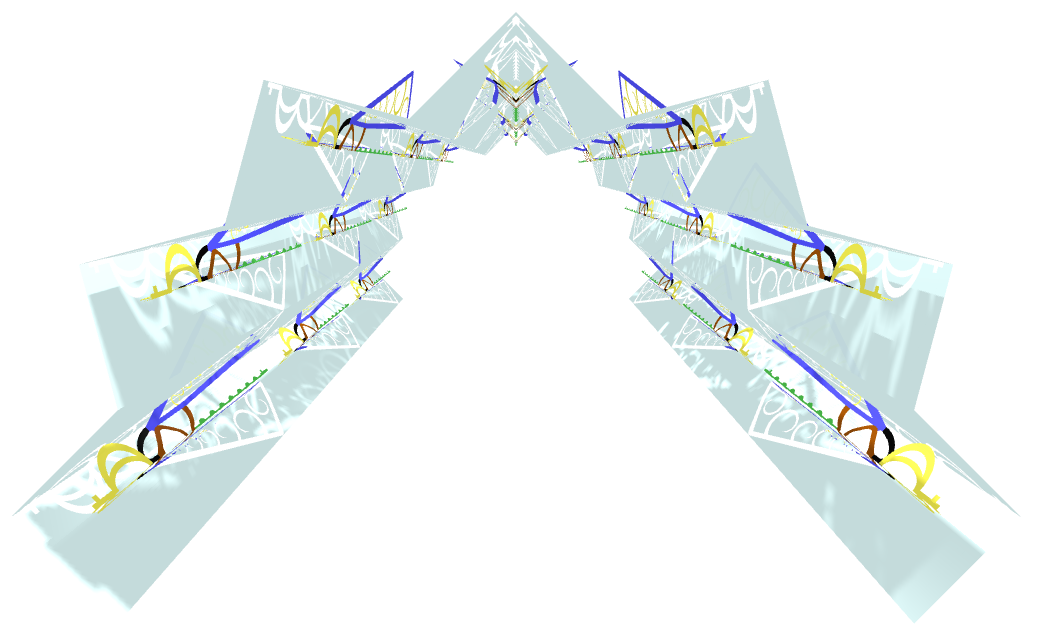
The Our Lady Aparecida model was built with repetitions simulating a portal (or tunnel), with shadow effects.

Polygonal and floral kirigamis: visualization with Virtual Reality by Paulo Henrique Siqueira is licensed with a license Creative Commons Attribution-NonCommercial-NoDerivatives 4.0 International.
How to cite this work:
Siqueira, P.H., "Polygonal and floral kirigamis: visualization with Virtual Reality". Available in: <https://paulohscwb.github.io/kirigami/parte1/>, August 2025.
References:
Otsu, G. M., Yamada, T. R. U. Kirigami 3D aplicado: uma proposta em design de produto dobrável. Revista Brasileira de Expressão Gráfica, v. 7, n. 1, 2019 https://www.rbeg.net/index.php/rbeg/article/view/73
Khalilzadehtabrizi, S., Mohagheghian, I., Walker, M. G., Analysis and design of Kirigami-based metallic energy-dissipating systems, Thin-Walled Structures, v 212, 2025 https://doi.org/10.1016/j.tws.2025.113127
Yamada, T. R. U. Processo de Experimentação e criação de modelos autorais de Kirigami 3D baseados em técnicas de dobra e corte. In: Anais Graphica 2024: XV International Conference on Graphics Engineering for Arts and Design. Pelotas(RS), 2024. https://www.even3.com.br/anais/graphica-430628/826538-processo-de-experimentacao-e-criacao-de-modelos-autorais-de-kirigami-3d-baseados-em-tecnicas-de-dobra-e-corte/